











I Can Offer
Diverse Technical Knowledge & Experiences with Strong Scientific Background
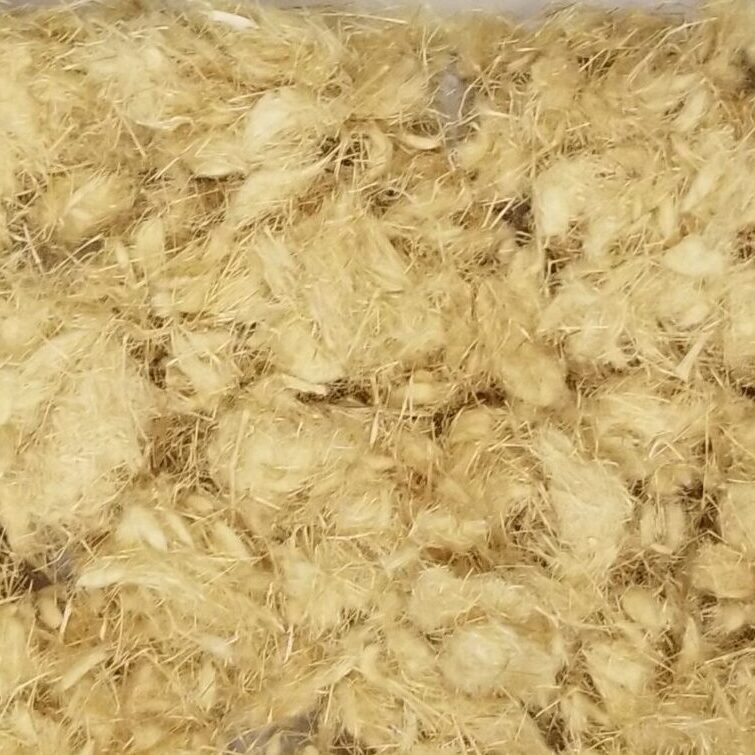

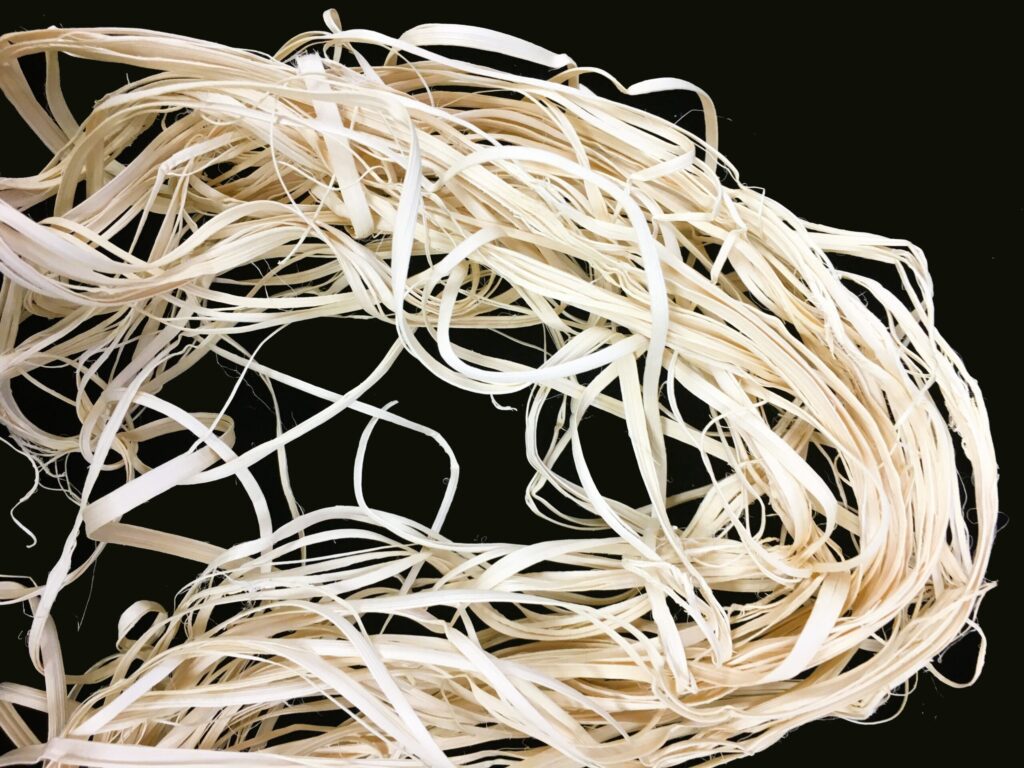
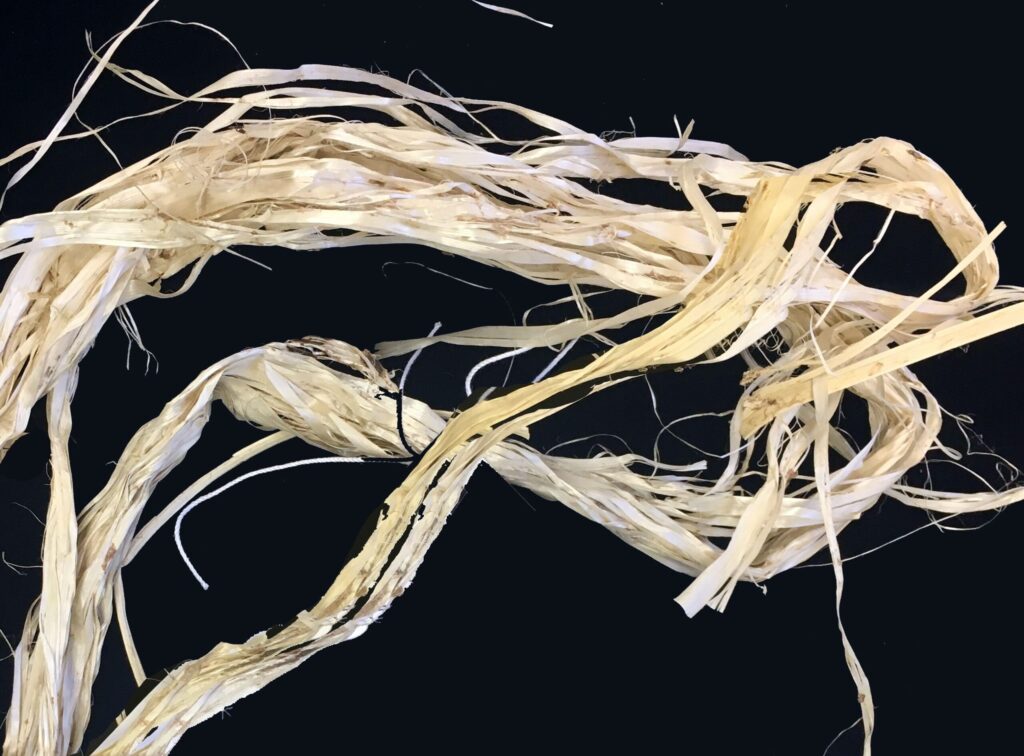
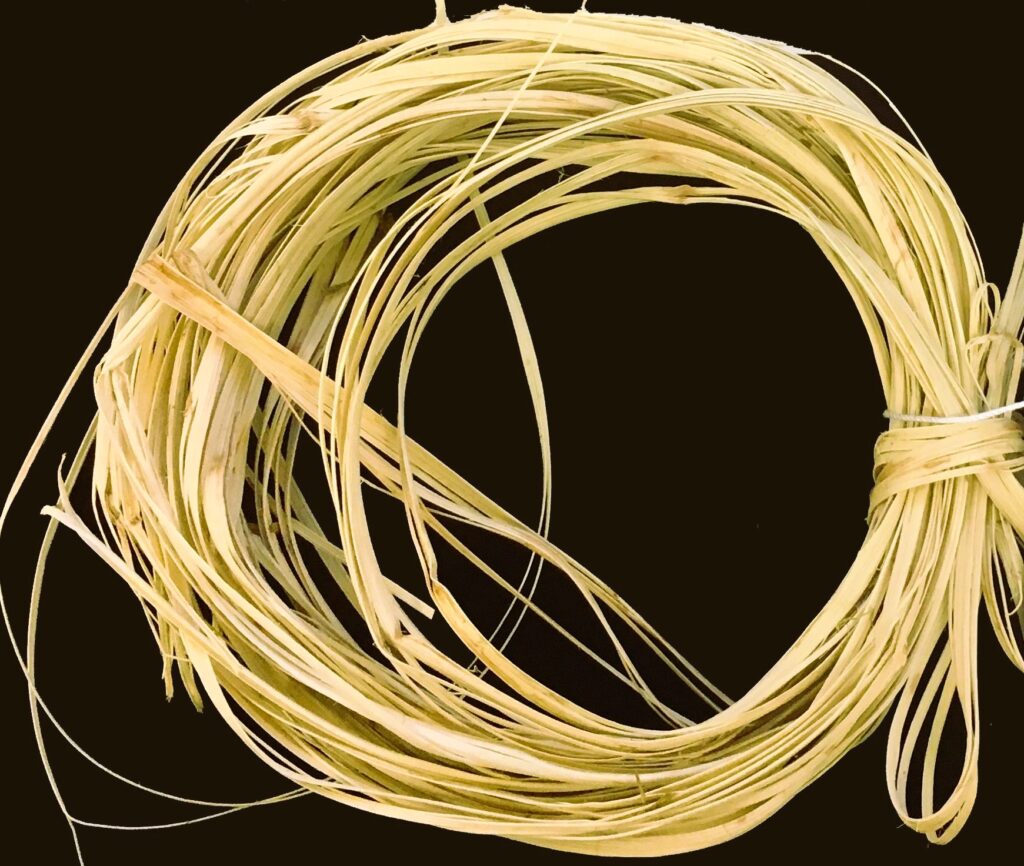
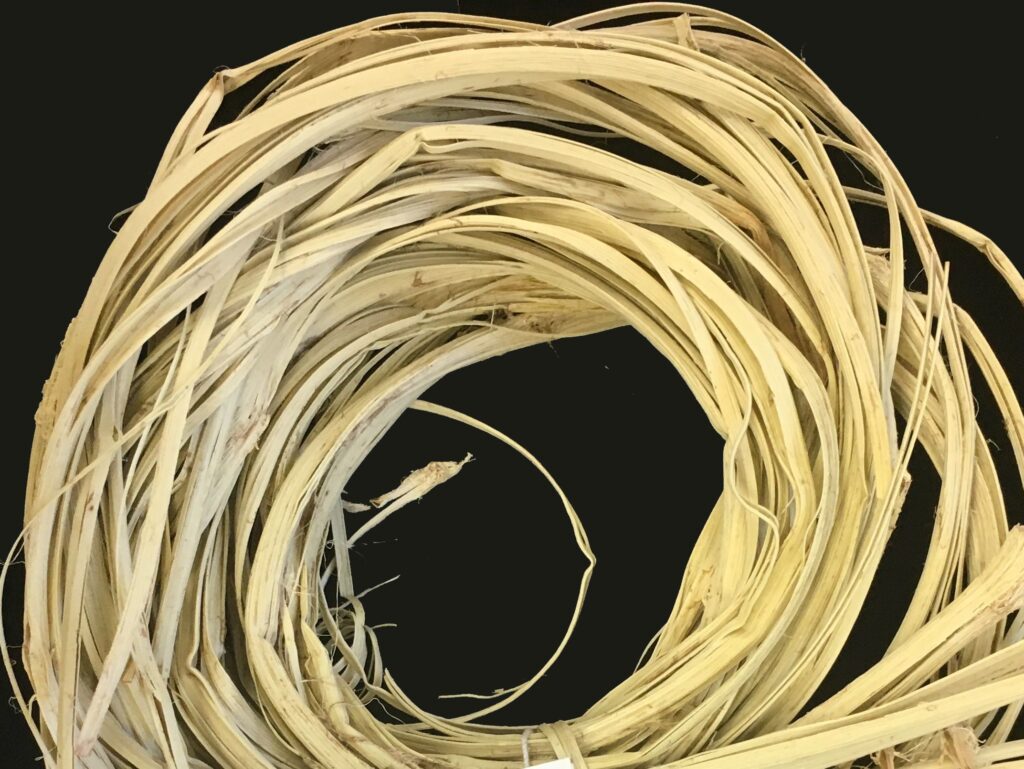
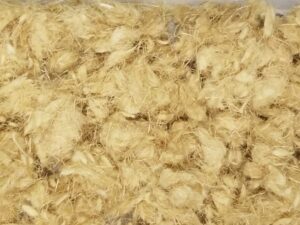
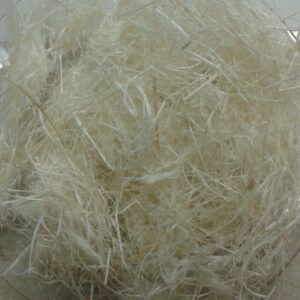
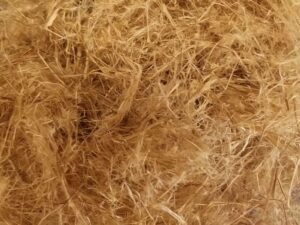
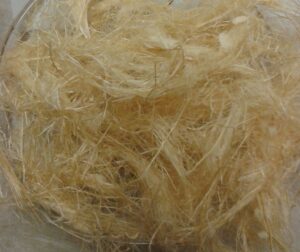
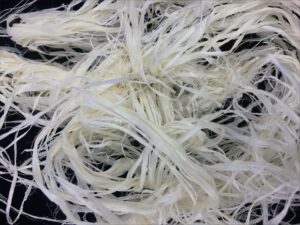
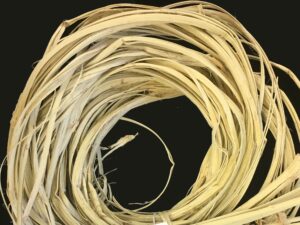
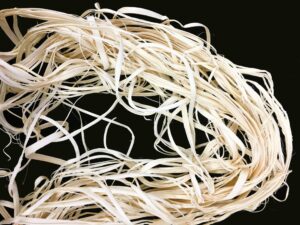
Natural Bamboo Fibers & NBF-Composites
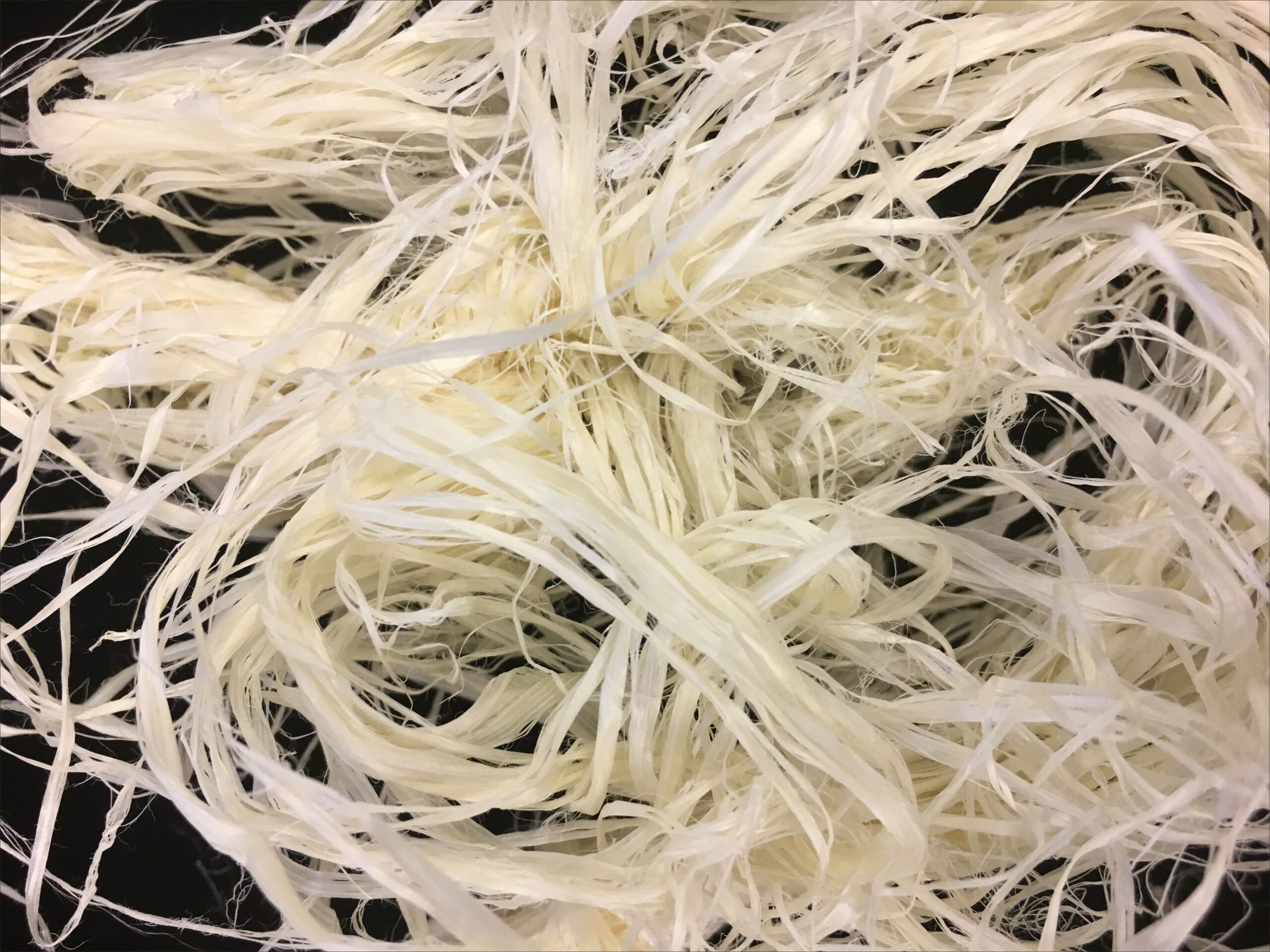
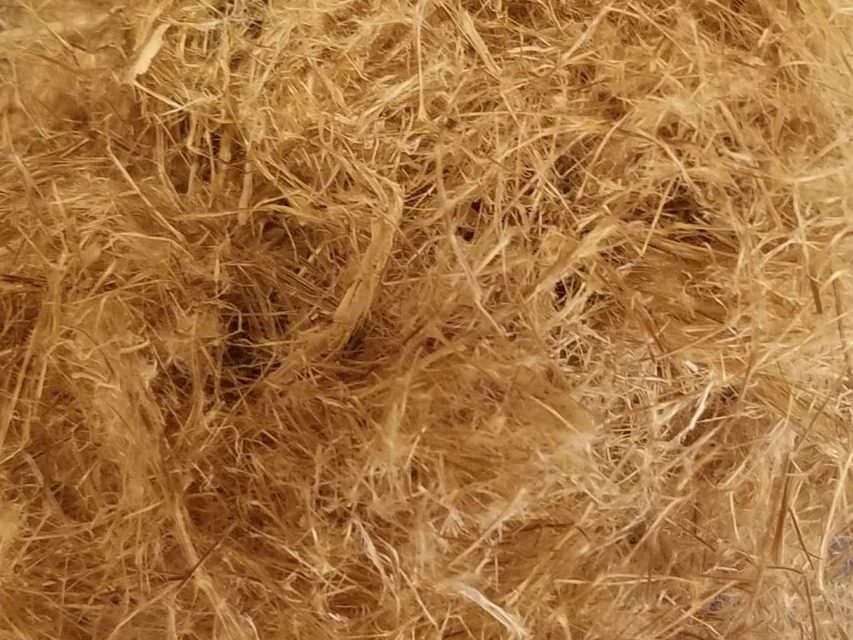
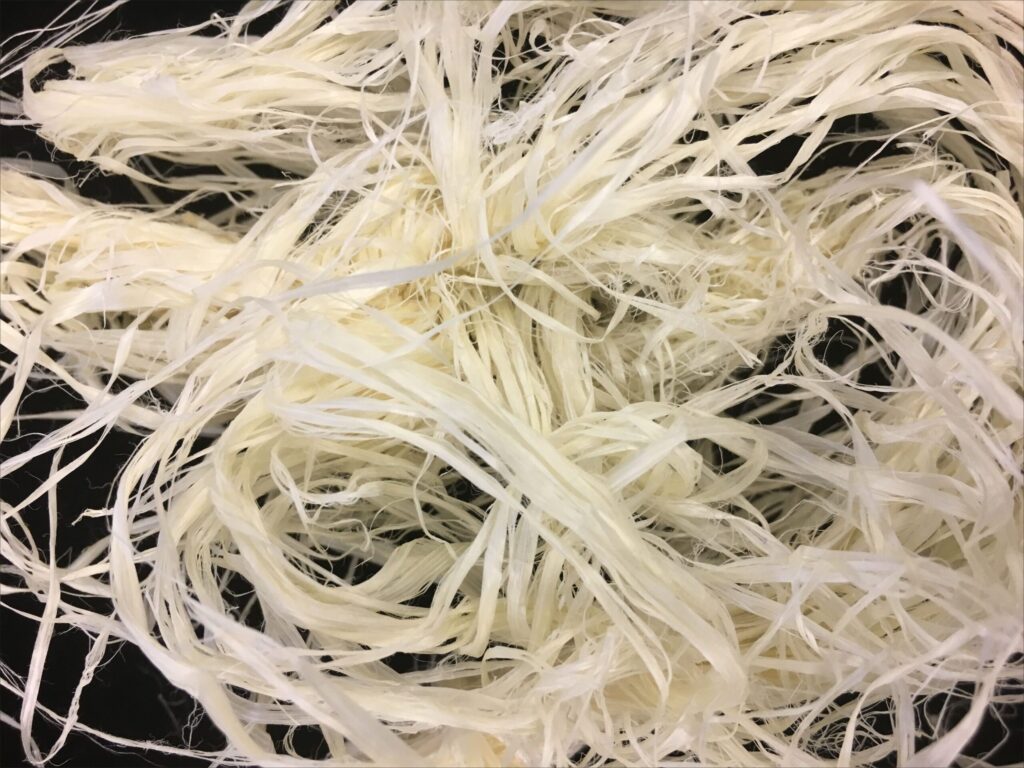
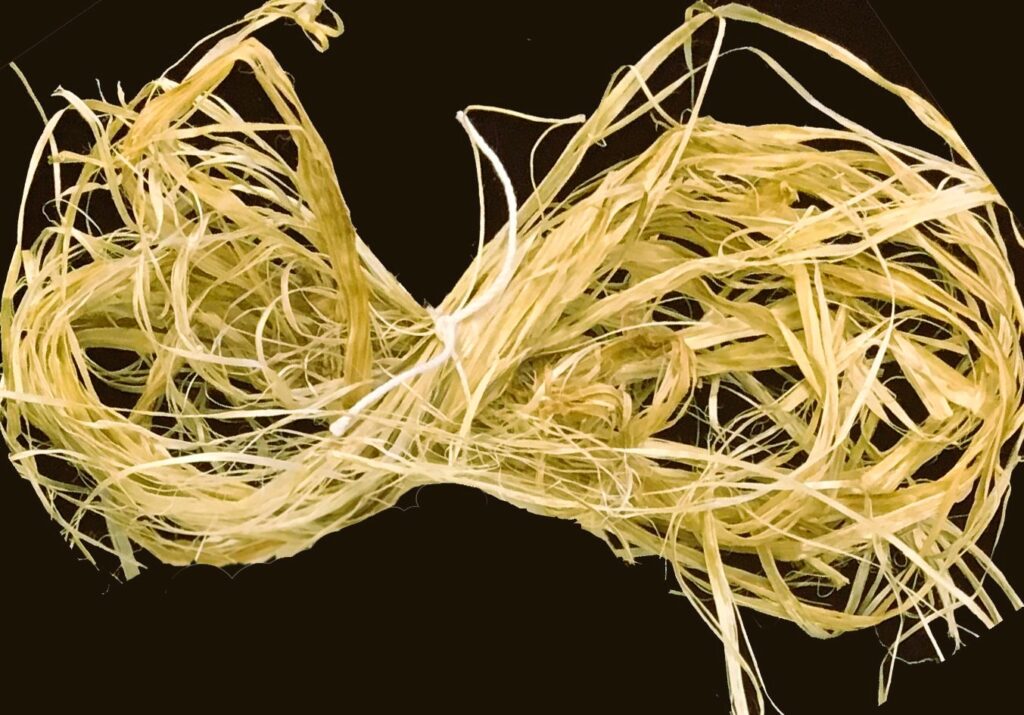
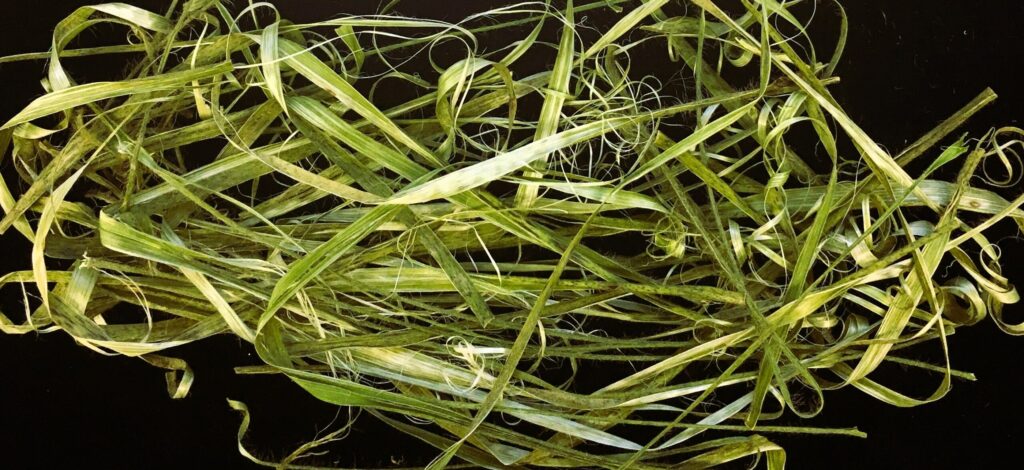
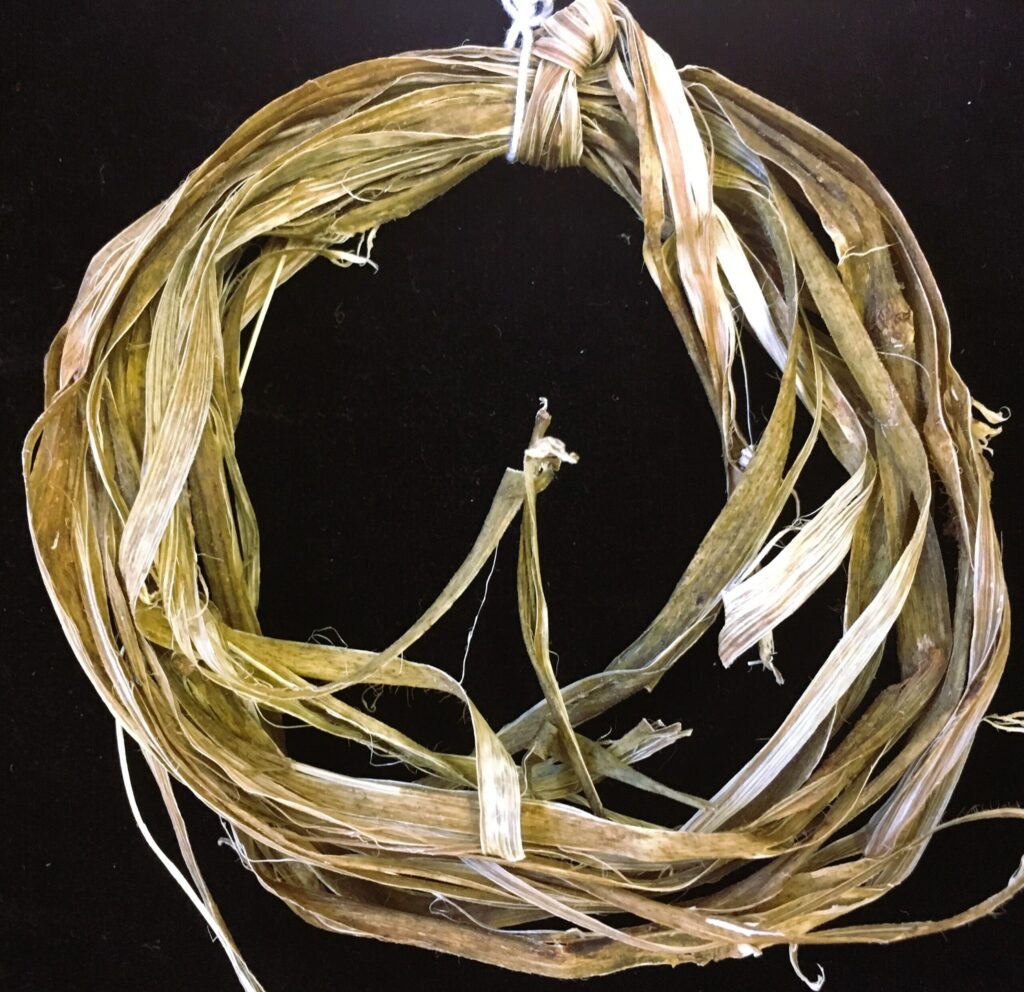
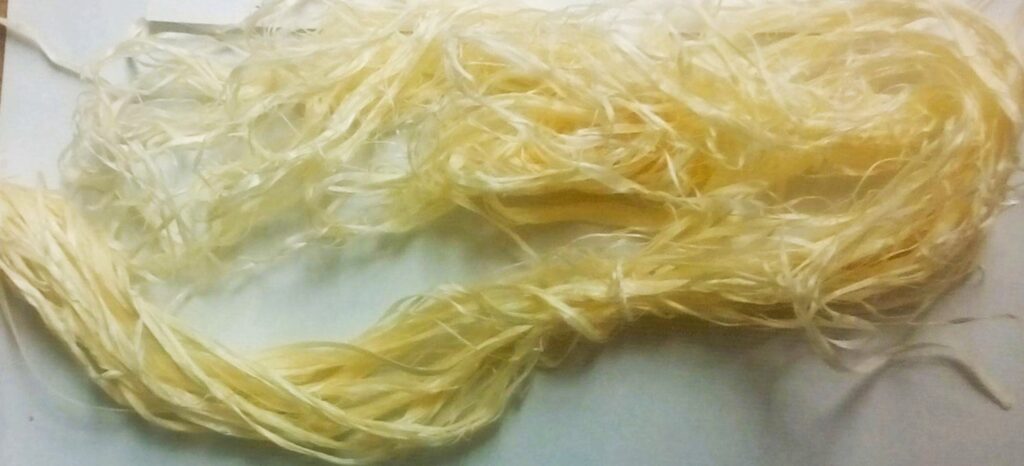
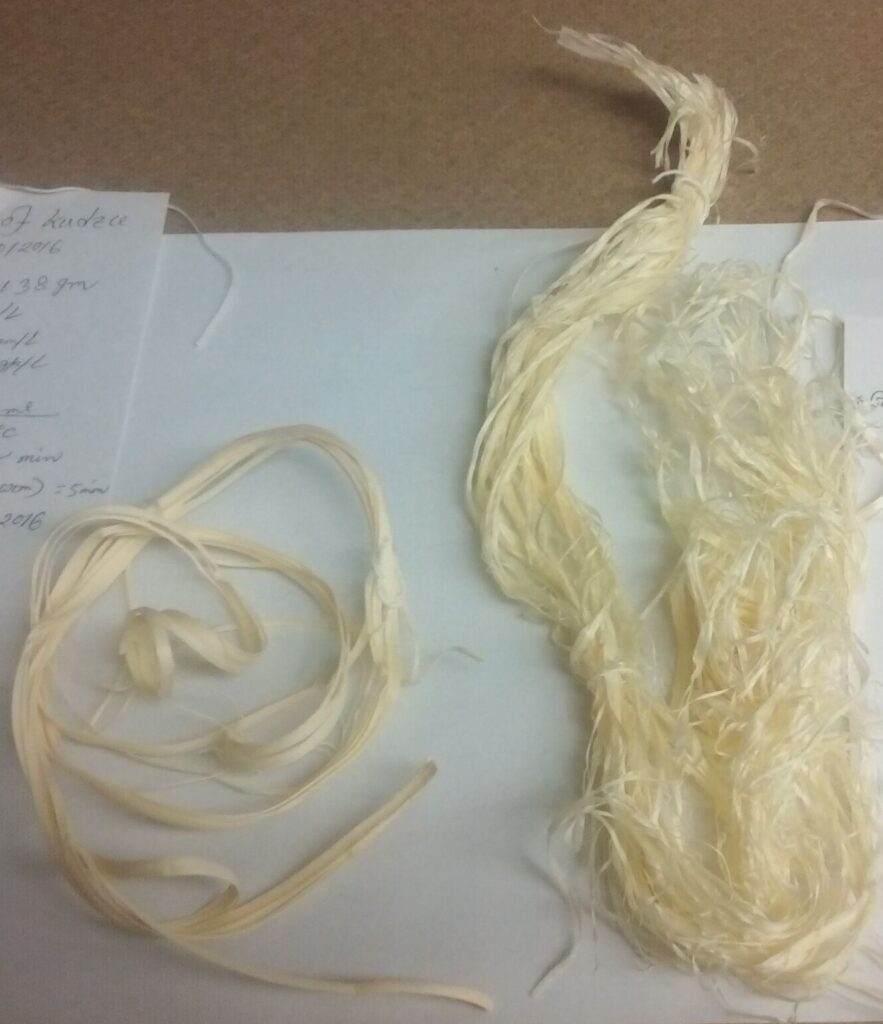
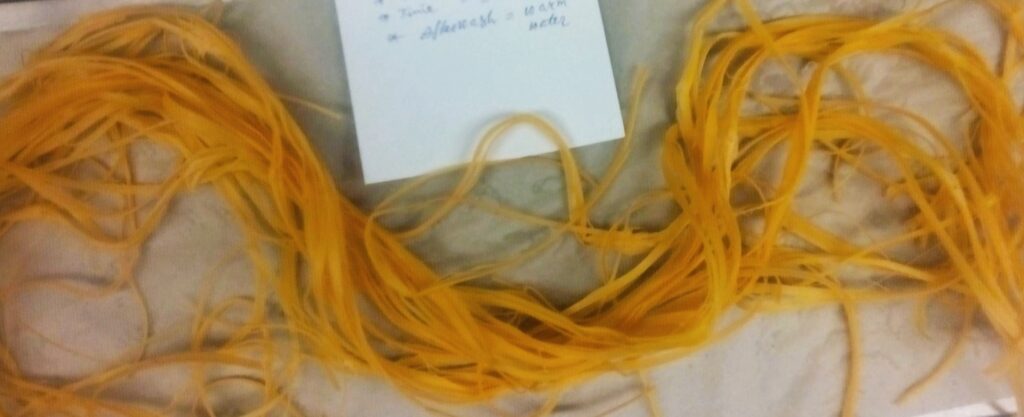
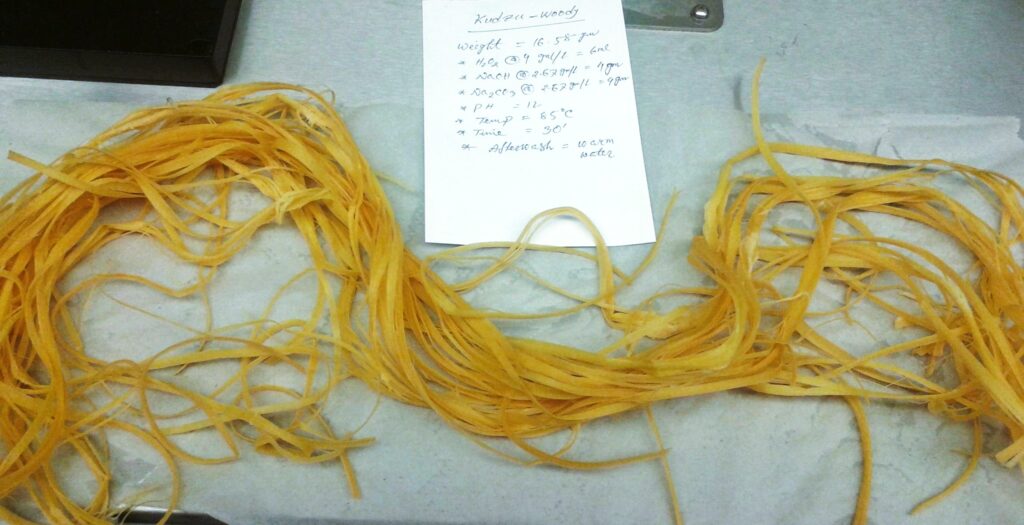
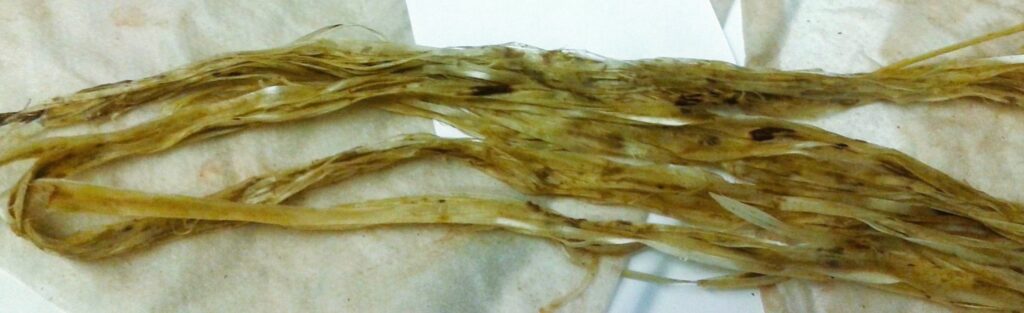
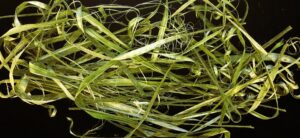
Kudzu Fibers & Composites
Advanced Materials & Process Engineering: From Sustainable Textiles to High-Strength Steels
Bridging Chemical Processes & Materials Innovation
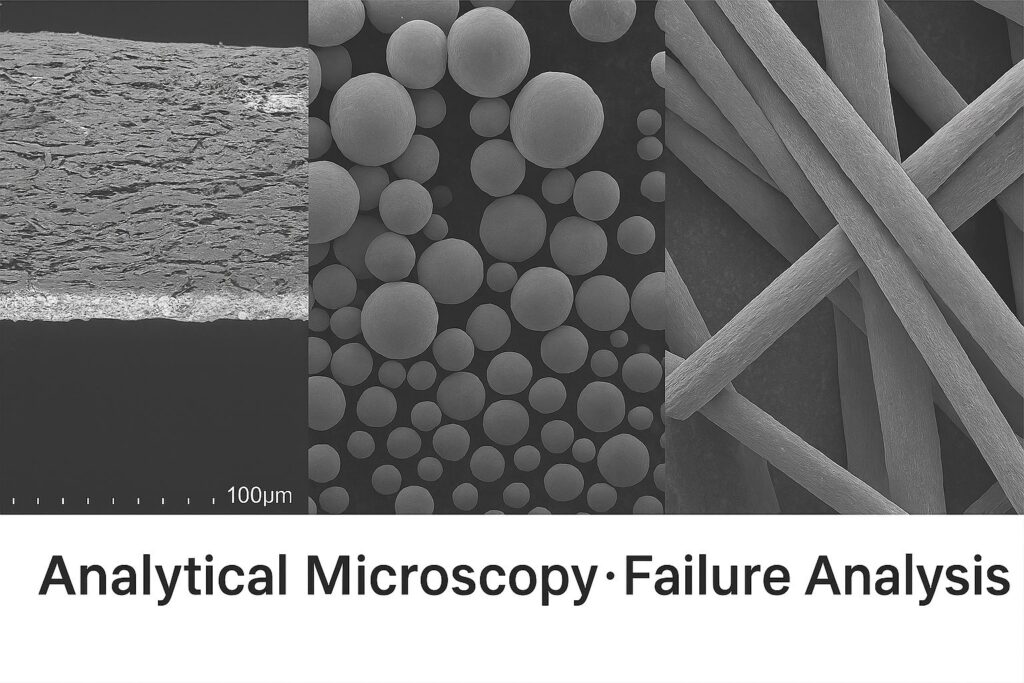
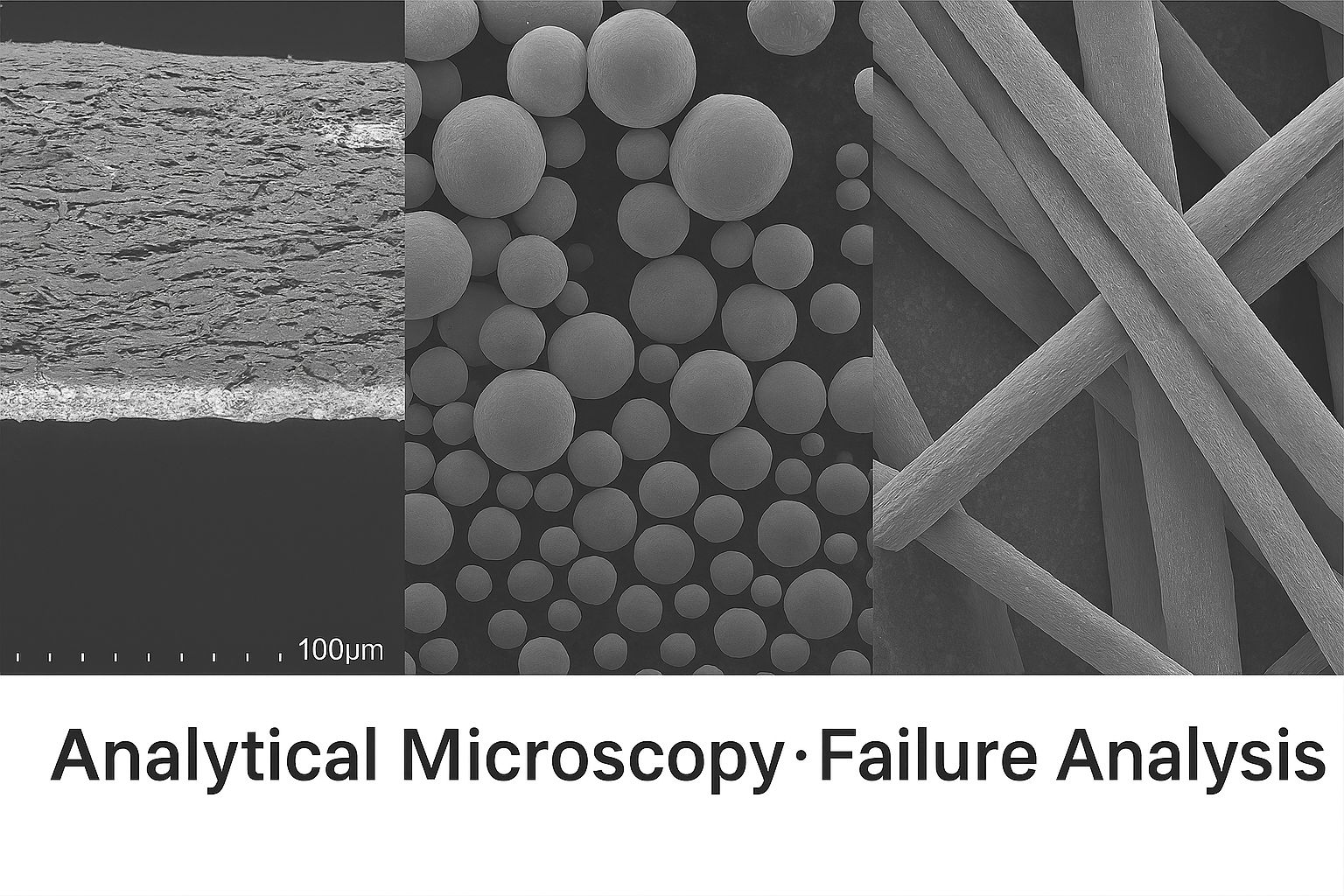
| Sustainable and Bio-Based Composite Materials Systems | Microstructure-Engineered Clean-Energy Alloys | Nano-Engineered Natural Fiber Thermoplastics | Cold-Spray Hybrid Fiber/Metal Composites | Nano-engineered natural fiber thermoplastics | Analytical Process Modeling and Failure Analysis of Industrial Products |
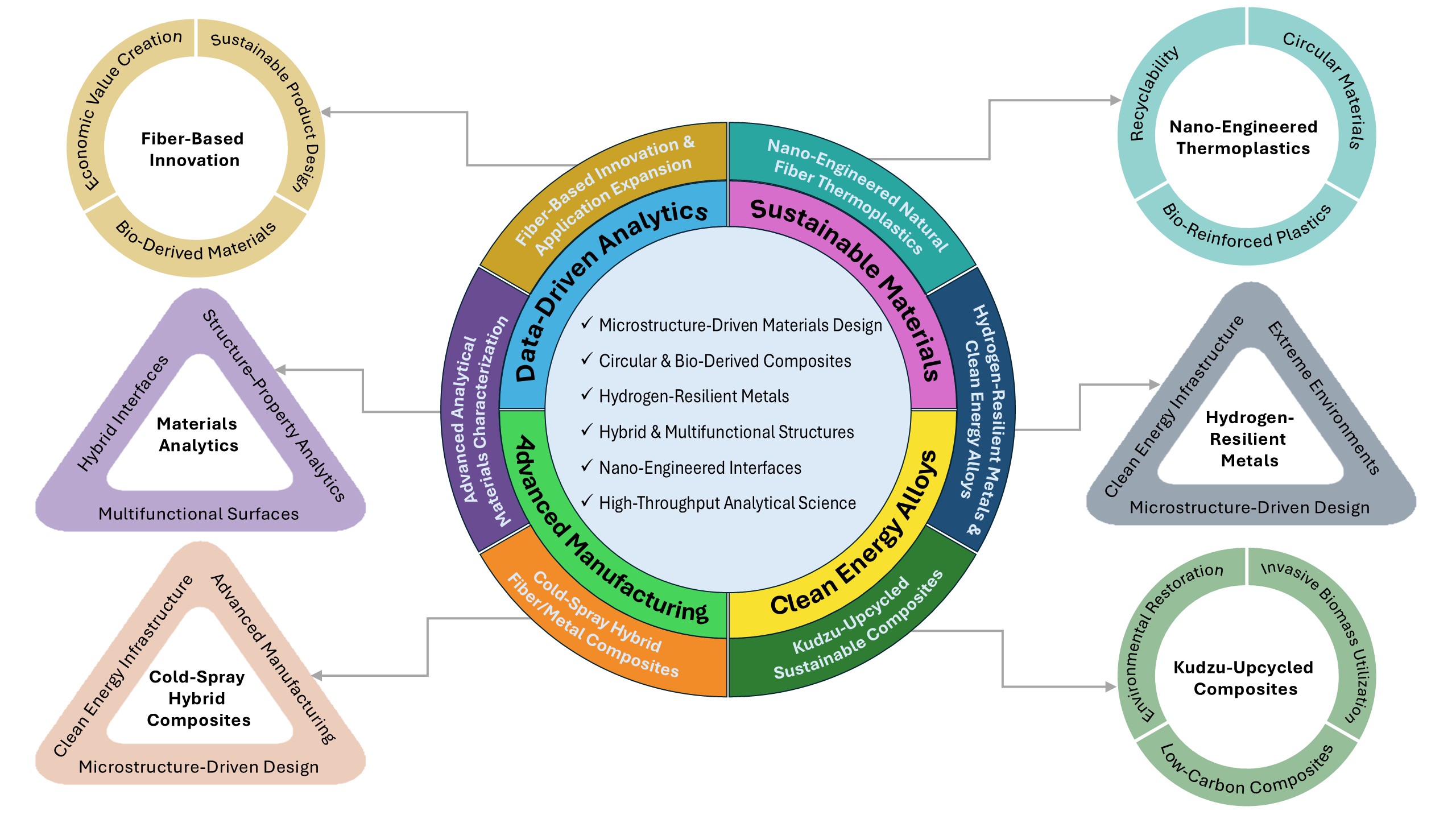

Expertise in Diverse Technologies

Research Insights
Most Recent Publications
Hydrogen embrittlement and mechanical response of 304L steel with ZrC additions
A. Stubbers a, B.P. Rocky b, C. Gilleland a, R. Shrestha c, C. San Marchi c, R.P. Wilkerson de, G.B. Thompson a b, C.R. Weinberger f
Abstract
While stainless steels are widely used for hydrogen storage infrastructure, they can still be vulnerable to hydrogen embrittlement justifying the need to further improve their hydrogen resiliency. Here, we investigate the potential for transition metal carbide additions to improve the hydrogen compatibility of austenitic stainless steels. ZrC nanoparticles were dispersed in contents of 0.01–10 wt% in 304 L stainless steel powder, mixed via high energy ball milling, and subsequently consolidated using direct current sintering. To assess hydrogen compatibility, the tensile properties of similarly processed 304 L without ZrC nanoparticles were compared to 304 L with the ZrC additions; both materials were evaluated prior to and after hydrogen exposure (non-charged and H-precharged, respectively). Depending upon the ZrC phase fraction, the yield strengths varied from ∼325 to 560 MPa in the non-charged condition and from ∼375 to 550 MPa in the H-precharged condition. Strain at failure varied from ∼5 to 90 % and from ∼5 to 35 % in the non-charged and hydrogen-precharged conditions, respectively. Results from stress-strain profiles demonstrate limited efficacy of ZrC as a method to mitigate hydrogen embrittlement entirely but does demonstrate the potency of ZrC inclusions as strengthening addition to 304 L alloys without a loss of ductility.
-
Discussion
Feel free to start discussion or leave your comment here.